Design Tips & Trends

interior designers Bangalore
Interior designing

How to Choose the Best Interior Designers in Bangalore

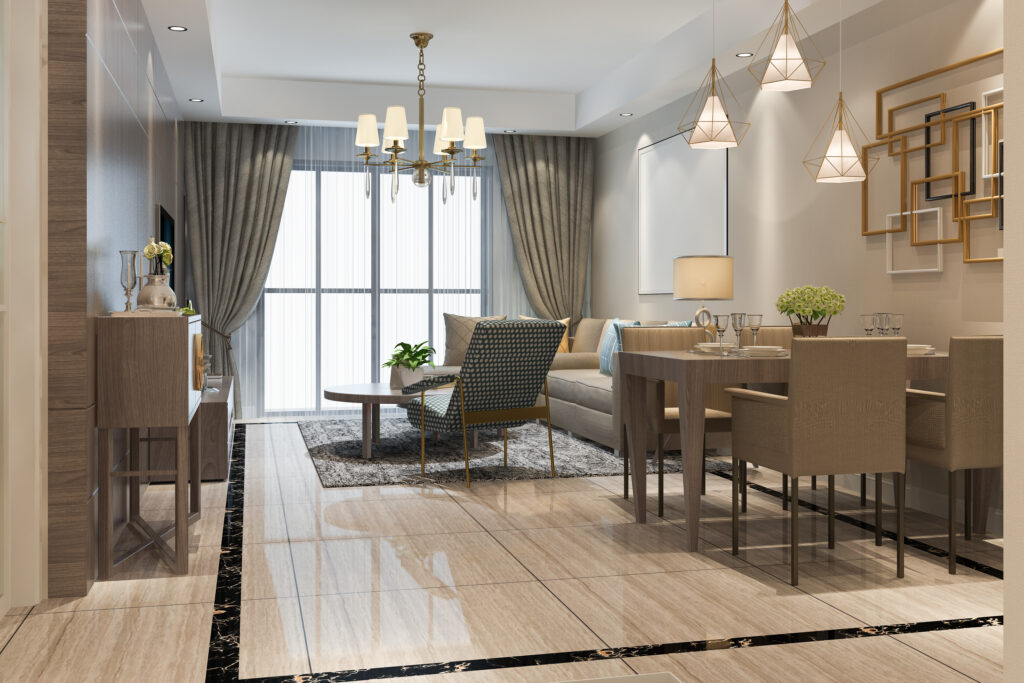
Introduction Designing a home is not just about beautification; it is about shaping spaces that reflect identity, comfort, and aspiration. In a city like Bangalore, where lifestyles blend modernity with tradition, the choice of an interior designer can make all the difference. Why Interior Design Matters in Modern Living A well-designed home influences daily mood, productivity, and overall well-being. Good interiors ensure efficient use of space, while great interiors elevate lifestyles. The impact goes beyond visuals—it creates harmony between people and their surroundings. The Growing Demand for Interior Designers in Bangalore With Bangalore evolving as a hub of technology and luxury living, residents are increasingly investing in interiors that merge functionality with elegance. Apartments, villas, and work-from-home setups are all driving the demand for skilled interior designers. Understanding Your Interior Design Needs Before reaching out to professionals, clarity is key. Do you need a complete home transformation, a modular kitchen, or just a stylish living area upgrade? Identifying requirements helps in shortlisting the right designers. Importance of On-Site Project Management A design on paper is only as good as its execution. On-site supervision prevents errors, maintains quality, and ensures that the vision translates into reality. Sustainability and Eco-Friendly Design Practices Modern Bangaloreans increasingly seek eco-conscious interiors. Designers offering sustainable materials, energy-efficient lighting, and natural ventilation create healthier homes with a lower environmental impact. Top Interior Designers in Bangalore: An Overview Tili Interiors Tili specializes in turnkey and twin interiors, blending aesthetics with practical solutions. Known for personalized designs, premium finishes, and timely delivery, Tili has become a trusted choice for homeowners who want elegance without compromise. Bonito Designs Offering luxury interiors with a flair for grand detailing, Bonito Designs is favored for full-home projects and bespoke solutions. Carafina Carafina emphasizes stylish and affordable interiors, particularly for apartments, with a keen eye for contemporary designs. Questions to Ask Before Hiring an Interior Designer Red Flags to Avoid When Selecting a Designer Beware of vague estimates, lack of contracts, poor communication, or designers unwilling to adapt to your input. These often lead to dissatisfaction and budget overruns. Balancing Functionality with Aesthetics A beautiful home must also be livable. Smart storage, ergonomic layouts, and proper lighting should complement the visual appeal of the interiors. The Role of Technology in Modern Interior Design From 3D visualizations to VR walkthroughs, technology allows clients to see their homes before execution. This minimizes errors and enhances decision-making. Future Trends in Interior Design for Bangalore Homes Expect a rise in biophilic designs, minimalist luxury, smart furniture, and flexible layouts that adapt to evolving lifestyles. Sustainable luxury will also continue to dominate. Conclusion Selecting the best interior designer in Bangalore is not just about hiring a professional; it is about choosing a creative partner who can bring your ideas to life. The right designer will understand your lifestyle, balance aesthetics with practicality, and ensure your space reflects your personality. By focusing on clear communication, budget alignment, and design compatibility, you can create a home that is timeless, functional, and uniquely yours.

interior designers in Jayanagar
Interior designing

How Different Colors Impact Mood and Productivity in Interiors at Home

Introduction: The Silent Power of Color Color is one of the most underestimated yet influential elements in interior design. Beyond aesthetics, color shapes emotions, stimulates senses, and orchestrates behavior within spaces. At home—where living, working, and unwinding coexist—the impact of color becomes profound. A well-chosen palette can motivate productivity during the day and evoke serenity by night, balancing form and function with psychological depth. The Psychology of Color in Everyday Spaces The human brain processes color faster than words or shapes. Each shade triggers subconscious associations, many rooted in nature and culture. Designers and psychologists have long studied how colors influence decision-making, productivity, and emotional well-being. A pale blue wall may calm anxious thoughts, while a bold red accent can energize a dull space. Understanding this science ensures homes are not just beautiful but also emotionally intelligent environments. Warm vs. Cool Colors: A Foundational Divide Colors fall into two broad families: warm and cool. Balancing the two families helps create dynamic interiors. For instance, a living room may pair a cool blue sofa with warm terracotta cushions, achieving harmony between stimulation and comfort. Red: Stimulating Energy and Urgency Red quickens the pulse and heightens awareness. Its intensity is powerful in spaces designed for activity, such as home gyms or dining rooms. However, prolonged exposure may cause agitation, making it less suitable for bedrooms. Instead of painting an entire wall red, designers often use it in accents—artwork, throw pillows, or a statement chair—to inject vitality without overpowering the space. Orange: Fostering Enthusiasm and Social Interaction Orange blends the passion of red with the optimism of yellow. It exudes warmth, friendliness, and creativity. In homes, orange works well in communal spaces like kitchens and family rooms, encouraging conversation and shared moments. Muted terracotta or burnt orange tones feel earthy and modern, avoiding the overstimulation that comes with neon shades. Yellow: Inviting Optimism and Mental Clarity Yellow symbolizes sunlight and mental alertness. It is ideal for workspaces, breakfast nooks, or playrooms where cheerfulness and clarity matter. Research shows yellow stimulates memory retention and mental agility, making it a strong candidate for home study areas. However, too much vivid yellow may cause irritability, so balancing it with neutral tones helps maintain harmony. Green: Balancing Calmness and Renewal Associated with growth and nature, green embodies balance, peace, and rejuvenation. It reduces eye strain, making it perfect for home offices where long hours are spent at screens. Sage, mint, and olive greens create calm backdrops, while emerald tones add sophistication. Layering green with natural textures—wood, rattan, or linen—enhances its grounding effect, bringing the outdoors inside. Blue: Enhancing Focus and Serenity Blue is the color of trust, stability, and focus. In a home office, soft blues encourage concentration without inducing stress. Bedrooms painted in pale blue shades promote better sleep and relaxation. Deep navy or cobalt creates dramatic, structured interiors while maintaining serenity. Pairing blue with white or natural wood softens its sometimes cold perception, making spaces more welcoming. Purple: Inspiring Creativity and Luxury Purple combines the calm of blue with the energy of red, producing a color long associated with royalty and imagination. In creative corners, such as studios or reading nooks, purple fosters originality. Lighter lavenders soothe and calm, while darker plums and violets evoke richness and mystery. When paired with metallic accents like gold or brass, purple interiors feel undeniably luxurious. Pink: Softening Moods and Encouraging Compassion Pink is often linked with tenderness and compassion. It reduces aggression and promotes feelings of care, making it suitable for bedrooms, nurseries, or meditation spaces. Contemporary design has moved beyond traditional bubblegum pink, favoring dusty rose, blush, and salmon hues for a more sophisticated approach. These tones create a chic, calming environment without feeling overly sentimental. White: Expanding Perception of Space and Purity White reflects light, expands space, and introduces purity into interiors. It is the backbone of minimalism, often used in Scandinavian or Japanese-inspired designs. In small apartments, white walls maximize brightness and openness. However, an entirely white space may feel sterile. Adding layers through textured fabrics, wood accents, or plants brings warmth and depth, preventing monotony. Black: Anchoring Depth and Sophistication Black commands authority and sophistication. It anchors interiors, offering visual depth and contrast. While painting entire rooms black can feel oppressive, using it strategically—in trims, furniture, or feature walls—creates drama and refinement. Paired with softer tones, black ensures balance, embodying elegance without overpowering. Grey: Subtle Neutrality or Emotional Detachment Grey is versatile, straddling the line between modern sophistication and emotional detachment. Light greys soothe, while darker charcoals add weight and drama. Grey works well as a backdrop, allowing other colors to shine through. To avoid dullness, layering grey with textures such as velvet, linen, or matte finishes adds interest and richness. Earth Tones: Grounding Interiors with Nature’s Palette Inspired by soil, stone, and wood, earth tones provide warmth, grounding, and familiarity. Browns, tans, ochres, and rust shades connect people with nature, creating environments of comfort and stability. They work particularly well in living rooms and bedrooms where relaxation is paramount. Earth tones also harmonize beautifully with plants and organic materials. Accent Colors: Small Touches with Big Influence A single accent can shift a room’s entire energy. A vibrant yellow lamp in a grey living room or a teal cushion on a beige sofa instantly adds dynamism. Accent colors allow experimentation without commitment. Seasonal accents, such as rich jewel tones in winter or pastels in spring, refresh interiors effortlessly. The Role of Natural Light in Color Perception Light is the silent partner of color. A shade may look vibrant in daylight but muted under artificial lighting. North-facing rooms often feel cooler, making warm colors ideal, while south-facing rooms receive abundant light, enhancing cooler tones. Before finalizing paint or fabric, testing samples under different lighting conditions ensures the chosen palette aligns with the intended mood. Color Zoning: Assigning Purpose to Each Space In open-plan homes, color zoning creates subtle boundaries without physical partitions. A calming blue in a work corner signals focus, while an adjacent

Interior designing

Interior Design Trends in Bangalore Homes

Introduction: Bangalore’s Evolving Design Narrative Bangalore, India’s dynamic tech capital, has emerged as a city where modern aspirations meet cultural continuity. Its homes mirror this duality, embracing contemporary aesthetics while staying rooted in traditional warmth. Interior design here is not merely about decoration—it reflects lifestyle, identity, and values. Cosmopolitan Influences Shaping Urban Interiors The influx of diverse cultures and global exposure has transformed Bangalore’s interior preferences. Open layouts, sleek furniture, and international design sensibilities now mingle seamlessly with handcrafted elements. From Scandinavian simplicity to Mediterranean hues, global styles find new meaning in the city’s apartments and villas, offering a cosmopolitan yet distinctly local character. Sustainability at the Core of Modern Homes Eco-Friendly Materials and Conscious Choices A heightened awareness of climate change has made eco-conscious interiors more than just a trend—they are a responsibility. Bamboo, cane, and rattan add natural elegance, while reclaimed wood furniture infuses spaces with both sustainability and soul. Low-VOC paints, organic fabrics, and upcycled décor contribute to healthier, more ethical living environments. Revival of Traditional South Indian Craftsmanship Craftsmanship rooted in Karnataka’s heritage is experiencing a revival. Hand-carved teak furniture, Athangudi tiles, and locally quarried stone are reappearing in contemporary settings. These elements not only support local artisans but also preserve cultural identity in an era of rapid urbanization. The Biophilic Movement: Nature Within Walls Indoor Gardens, Green Walls, and Natural Light As concrete dominates cityscapes, the desire to reconnect with nature is influencing interior design. Indoor green walls, balcony gardens, and strategically placed potted plants bring freshness into compact apartments. Skylights, large windows, and sheer drapes optimize natural light, enhancing both aesthetics and well-being. Biophilic design in Bangalore homes is as much about tranquility as it is about sustainability. Smart Homes and Tech-Integrated Interiors Automation and Multifunctional Furniture Technology is shaping how residents experience their homes. Automated lighting adjusts to moods and time of day, while climate control systems optimize energy use. Multifunctional furniture—sofas that transform into beds, tables with charging docks—caters to urban lifestyles where efficiency is paramount. Bangalore’s tech-savvy population is embracing these solutions with enthusiasm, turning houses into intelligent living spaces. Contrasting Styles: Minimalism and Maximalism Neutral Palettes with Luxury Accents Minimalist interiors remain popular, characterized by uncluttered spaces, muted tones, and clean lines. Yet, they are far from austere. Marble finishes, metallic accents, and statement art pieces add sophistication, balancing restraint with luxury. Bold Colors, Patterns, and Personal Expression In contrast, maximalism thrives in select homes where bold self-expression reigns. Oversized floral wallpapers, jewel-toned upholstery, and eclectic artifacts create a narrative of abundance. These interiors are unapologetically personal, reflecting the individuality of homeowners who view their spaces as storytelling canvases. Compact Living Innovations in Bangalore Apartments Space-Saving Kitchens and Flexible Furniture With urban density on the rise, compact homes demand intelligent design. Modular kitchens with clever storage, foldable furniture, and convertible spaces ensure functionality without sacrificing aesthetics. Every square foot is optimized, demonstrating how design can make small homes feel expansive and versatile. The Role of Colors and Textures in 2025 Earthy Tones, Terracotta, and Muted Elegance Color trends in Bangalore are shifting towards earthy warmth. Terracotta, sage green, olive, and taupe dominate living spaces, replacing sterile grays of the past decade. Layered textures—bouclé fabrics, textured wall paints, and stone finishes—add depth and tactile richness. These choices not only enhance visual appeal but also create interiors that feel grounded and comforting. Future Outlook: The Direction of Bangalore Home Design The trajectory of Bangalore interiors points toward deeper sustainability, heightened personalization, and seamless integration of technology. Homes will continue to act as sanctuaries, balancing modern efficiency with cultural resonance. As lifestyles evolve, interiors will become even more adaptable, multifunctional, and environmentally conscious. Conclusion: Style, Sustainability, and Function in Harmony The design landscape of Bangalore homes reveals a city that values both innovation and tradition. From biophilic spaces to smart automation, from eco-friendly materials to expressive maximalism, the trends capture a unique blend of practicality and artistry. The future of Bangalore interiors is not just about how homes look—it’s about how they nurture the people who live in them.

Interior designers in jayanagar
Interior designing

Integrated Smart Features, AI-Driven Personalization in Interior Design

Introduction Interior design has always mirrored cultural shifts, economic progress, and human aspirations. In today’s digital age, it is no longer confined to aesthetics and functionality alone. Technology and personalization are reshaping the very foundations of living spaces, creating interiors that are intelligent, responsive, and deeply attuned to individual needs. The modern home is becoming a living organism—one that adapts, learns, and evolves with its inhabitants. This transformation is driven by the seamless integration of smart features and the precision of artificial intelligence. Together, they are redefining how people experience their environments, moving design from static beauty to dynamic interaction. Understanding Smart Interiors What makes an interior “smart”? A smart interior is not merely filled with gadgets or automated systems. It is a harmonized ecosystem where design and technology converge. Walls, furniture, and fixtures are imbued with connectivity, enabling spaces to anticipate and respond to human presence. From automation to intelligence: the journey of design integration Earlier innovations relied on simple automation—timed lights or programmable thermostats. Now, intelligence has taken the lead. Spaces interpret patterns, adjust settings without prompts, and evolve in sync with changing lifestyles. This leap transforms interiors from passive structures into intuitive companions. The Role of Artificial Intelligence in Modern Design How AI is transforming design decision-making Artificial intelligence processes vast datasets of design layouts, human behavior, and aesthetic trends to inform decision-making. Designers can simulate numerous configurations in seconds, reducing trial and error while amplifying creativity. AI’s impact on personalization and user experience Beyond efficiency, AI sharpens personalization. It curates environments that resonate with emotions—lighting that matches mood, layouts that echo daily rhythms, and décor that reflects subconscious preferences. The result is a living space uniquely attuned to its dweller.me Ecosystems as the New Design Foundation Connected living through IoT devices Smart interiors thrive on interconnectedness. From refrigerators that track groceries to mirrors displaying health stats, the Internet of Things creates a synchronized lifestyle. These devices no longer operate in isolation but communicate seamlessly for a unified experience. Seamless integration of lighting, climate, and appliances Modern interiors now feature systems that converse with one another. Lighting adapts to thermostat adjustments, blinds react to sunlight intensity, and appliances optimize energy consumption without manual control. Integration ensures comfort without disruption. -Enhanced Space Planning Algorithms that optimize floor layouts Space planning once depended on intuition and manual sketches. Now, algorithms calculate spatial efficiency, maximizing circulation, accessibility, and usability. AI detects underutilized areas and reimagines them for greater purpose. Customizing furniture placement for functionality and flow AI not only arranges furniture but tailors it to inhabitants’ routines. From positioning a desk for natural light to aligning a sofa for acoustics, placement becomes intentional and fluid. This reduces clutter while enhancing daily life. Personalization through Data and Behavior How AI learns from user habits and preferences Homes quietly observe and adapt. Data from movement patterns, appliance usage, and even sleep cycles allows AI to craft tailored environments. Over time, interiors become predictive rather than reactive. Predictive design: creating interiors that adapt to lifestyle patterns Imagine a living room where lighting shifts automatically for reading at dusk, or a study that adjusts air quality during long work hours. Predictive design anticipates needs, turning interiors into intuitive allies. Smart Lighting as a Mood Setter Circadian lighting systems for health and productivity Lighting aligned with natural circadian rhythms regulates sleep and focus. AI-controlled systems mimic daylight progression, boosting energy during mornings and calming the body by night. Dynamic ambiance creation with AI-driven controls Beyond health, smart lighting crafts atmosphere. Whether hosting a dinner or meditating, AI adjusts tones and intensities, setting moods with subtle precision. Climate and Energy Management in Interiors Smart HVAC systems and energy efficiency Heating, ventilation, and cooling are now intelligent, balancing comfort with conservation. AI evaluates occupancy, weather, and energy tariffs to optimize consumption. AI’s role in reducing carbon footprints inside homes By regulating energy with foresight, AI minimizes environmental strain. Smart interiors not only save costs but also foster sustainable lifestyles. Voice and Gesture-Controlled Environments The rise of touchless interactions Hands-free control has become integral in modern interiors. Voice assistants and gesture recognition allow seamless adjustments without physical switches. Integrating design with natural user commands Spaces now listen and respond to natural language, integrating commands invisibly into design. Walls, furniture, and fixtures quietly execute requests, reinforcing fluid living. AI in Color and Material Selection Machine learning for predicting trending palettes AI tracks global design trends, cultural shifts, and consumer sentiment to forecast colors that resonate. Designers harness this foresight to stay ahead of style curves. Personalized color schemes tailored to individual psychology Beyond trends, AI creates palettes aligned with emotional well-being. A calming blue bedroom, a stimulating red study—choices arise from psychological profiling, not guesswork. Furniture Customization with AI Generative design for bespoke furniture pieces Generative algorithms craft furniture unique to each home, balancing ergonomics, style, and spatial constraints. The result: bespoke pieces born of data and artistry. Virtual prototyping before manufacturing AI enables lifelike previews of designs before production, ensuring precision and minimizing waste. Clients experience their furniture virtually before it materializes. Smart Kitchens as Design Showpieces AI-powered appliances for convenience and sustainability Refrigerators suggest meals based on ingredients, ovens adjust cooking times automatically, and dishwashers optimize water usage. Kitchens transform into hubs of intelligence. Personalized kitchen layouts for diverse lifestyles From compact apartments to gourmet homes, AI tailors layouts to suit cooking habits. Every inch of the kitchen works harder, smarter, and more intuitively. Wellness-Centric Smart Features AI-driven sleep optimization in bedroom design Smart beds monitor sleep patterns, adjusting firmness or temperature to enhance rest. Lighting dims gradually, coaxing natural sleep cycles. Stress-reducing interiors with integrated smart technology Soundscapes, aromatherapy systems, and responsive lighting cultivate calm. Interiors transform into sanctuaries for both body and mind. Security and Privacy in Smart Interiors Designing spaces with embedded surveillance and safety Invisible sensors, discreet cameras, and AI-driven alerts ensure security without compromising aesthetics. Safety is woven into the fabric of design. Balancing aesthetics with invisible security systems Technology hides

Minimalisam
Interior designing

Warm Minimalism + Organic Shapes for Cozy Simplicity

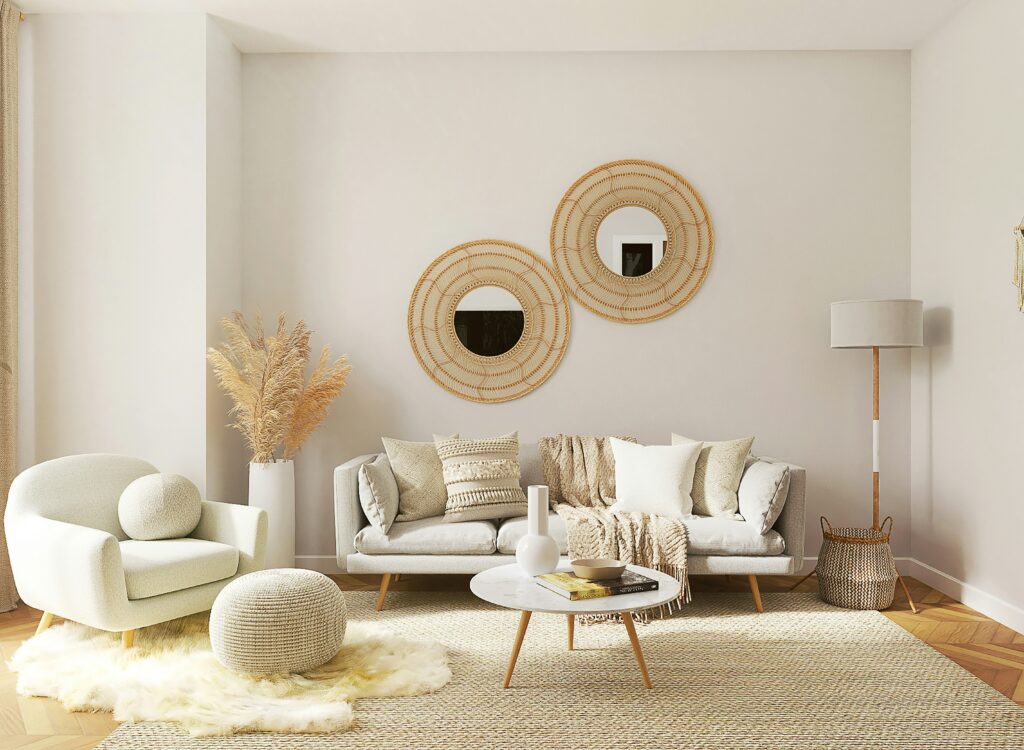
Introduction: The Rise of Warm Minimalism A quiet revolution has unfolded in interior design. Minimalism, once synonymous with starkness and restraint, is now finding its softer side. Warm minimalism blends simplicity with human warmth, inviting inhabitants into spaces that are uncluttered yet deeply comforting. Defining Warm Minimalism in Modern Interiors At its core, warm minimalism balances function and feeling. It retains the essence of minimalism—clarity, order, and restraint—yet introduces warmth through textures, hues, and fluid shapes. This aesthetic moves beyond sterile uniformity to create rooms that soothe, nurture, and breathe. Why Organic Shapes Create Emotional Comfort Straight lines impose order, but curves invite ease. Organic shapes mimic forms found in nature, echoing rivers, stones, and gentle landscapes. These biomorphic contours foster emotional calm, creating interiors that feel less rigid and more in tune with the body’s natural rhythm. The Shift from Stark Minimalism to Inviting Spaces Cold minimalism once relied on monochrome palettes, sharp angles, and industrial austerity. The shift toward cozy simplicity reflects changing lifestyles—where homes are sanctuaries rather than galleries. People crave interiors that allow them to exhale, spaces that look curated yet feel lived in. Color Palettes: Neutrals Infused with Warmth Earthy tones and muted hues such as ochre, clay, taupe, and sand dominate warm minimalism. These palettes ground interiors, evoking soil, stone, and sky.Subtle contrasts that soften—a hint of caramel against cream, or deep olive beside beige—prevent monotony and lend depth to simple schemes. Furniture Forms: Embracing Curves and Flow Rounded seating and tables introduce comfort without clutter. Sofas with softly sloped arms or circular coffee tables add a sense of continuity.Sculptural silhouettes transform furniture into art. Chairs with pebble-like forms or organically carved headboards embody functional elegance while harmonizing with the ethos of simplicity. Textures that Humanize Minimalism Natural fabrics and tactile finishes like linen, wool, and untreated wood anchor spaces in authenticity. They invite touch, reminding us that beauty is not only visual but also sensory.Imperfect materials with character—handmade ceramics, raw stone, or weathered finishes—add individuality and soul to otherwise pared-back environments. Lighting as a Softening Element Warm-toned illumination changes everything. Ambient glows from layered lighting schemes nurture intimacy and calm.Organic-shaped lamps and fixtures echo the softness of curves, whether through pendant globes, sculpted clay bases, or diffused paper lanterns that scatter light gently. Decor Accents that Anchor the Look Ceramics, stone, and handmade pieces act as grounding elements, bringing honesty and tactile presence.Art inspired by fluid lines reinforces the organic theme—wall hangings, abstract sketches, or sculptural objects that echo the movements of wind and water. Spatial Planning for Serenity Open layouts with subtle zoning encourage freedom of movement while maintaining coherence. Rugs, lighting, and furniture placement define zones without fragmenting space.Breathing space between objects ensures minimalism feels intentional rather than sparse, giving every element room to be appreciated. Blending Nature into Design Plants as sculptural companions blur boundaries between indoors and outdoors. From trailing greenery to single statement leaves, foliage doubles as living decor.Natural wood and stone surfaces—whether a polished oak floor or a honed limestone countertop—bring elemental grounding into modern interiors. The Psychological Benefits of Cozy Simplicity Warm minimalism does more than please the eye. It calms overstimulated minds, encourages mindfulness, and reduces visual noise. By surrounding ourselves with organic shapes and muted tones, we create environments that promote rest, clarity, and belonging. Practical Tips to Introduce Warm Minimalism at Home Start with a neutral foundation, then layer textures for depth. Choose furniture with softened edges, and resist overfilling rooms. Replace harsh lighting with warm, diffused alternatives. Incorporate natural materials wherever possible, and let empty space be part of the design narrative. Conclusion: The Future of Minimalist Comfort Warm minimalism is not a fleeting aesthetic; it reflects a deeper cultural yearning for balance. In a fast-paced world, interiors that combine simplicity with warmth are timeless. Organic shapes, tactile surfaces, and gentle palettes transform spaces into sanctuaries—calm, inviting, and profoundly human.

modular wardrobe Bangalore
Interior designing

Hot Trends of Interior Designing 2025

Introduction: Redefining Spaces in 2025 Interior design in 2025 is no longer just about aesthetics—it is about merging innovation, sustainability, and lifestyle needs into cohesive environments. Homes and commercial spaces are evolving into multifunctional sanctuaries, blending cutting-edge technology with natural elements and mindful living. This year marks a profound shift toward interiors that tell stories, support well-being, and adapt seamlessly to the rhythm of modern life. The Rise of Tech-Integrated Homes Smart Furniture with Built-In Charging and Storage Gone are the days when furniture was purely functional. In 2025, sofas with wireless charging docks, coffee tables with hidden cooling drawers, and beds with integrated storage systems are redefining convenience. These innovations transform furniture into lifestyle companions, ensuring efficiency without sacrificing elegance. Voice-Controlled Lighting and Climate Systems Intelligent voice assistants are now embedded in design itself. Homeowners can adjust lighting intensity, change color temperatures, or regulate climate with a single command. This seamless integration of smart ecosystems creates interiors that are both intuitive and futuristic. Augmented Reality for Interior Planning AR is revolutionizing how spaces are envisioned. Clients can now virtually “walk” through redesigned spaces before execution, testing layouts, textures, and colors in real time. This minimizes uncertainty, accelerates decision-making, and makes customization effortless. Sustainable and Eco-Friendly Design Practices Recycled and Upcycled Materials for Modern Homes Sustainability has transcended trend status—it is a necessity. Designers are championing the use of reclaimed wood, recycled glass, and upcycled textiles. These elements breathe character into interiors while reducing environmental impact. Energy-Efficient Fixtures and Appliances Energy-conscious living is central to modern design. LED lighting, water-saving faucets, and solar-integrated appliances not only cut utility costs but also align with a global push toward carbon neutrality. Biophilic Design and the Return to Nature Indoor Gardens and Vertical Green Walls Greenery continues to dominate interiors. Vertical gardens and hydroponic systems blur the boundaries between indoor and outdoor living. They purify the air, enhance mental well-being, and introduce organic vibrancy into urban spaces. Natural Stone, Bamboo, and Clay Accents Authentic, tactile materials are replacing synthetic finishes. Bamboo cabinetry, clay wall finishes, and stone countertops are celebrated for their raw textures and timeless appeal. Each element brings a grounding presence to interiors. Open-Concept Living with Functional Zones Flexible Partition Systems for Privacy Open spaces are redefined with adaptive partitions. Sliding screens, foldable panels, and modular dividers provide privacy without permanently closing off spaces. Homes thus balance openness with personal comfort. Convertible Furniture for Multi-Purpose Spaces As urban spaces shrink, convertible furniture becomes essential. Dining tables that transform into work desks, sofas that convert into guest beds, and modular shelving that adjusts as needed define practicality in 2025. Minimalism Evolved: “Soft Minimalism” Muted Tones with Warm Textures Minimalism now wears a softer face. Instead of cold whites, interiors embrace beige, taupe, and dusty hues layered with fabrics like linen and boucle. The result is minimal yet inviting. Decluttered Designs with Personality Soft minimalism prioritizes intentional design. Rooms are decluttered but not sterile, accented with meaningful art, statement lighting, or handcrafted décor pieces that add individuality. The Comeback of Bold Statements Maximalist Patterns and Playful Color Blocking While minimalism thrives, maximalism stages a parallel comeback. Vibrant wallpapers, geometric patterns, and bold color-blocking infuse spaces with drama and energy. Oversized Lighting Fixtures as Art Pieces Lighting is no longer just functional—it is sculptural. Oversized chandeliers, abstract pendant lamps, and organic-shaped fixtures become striking focal points, illuminating interiors while doubling as art installations. Cultural Fusions in Interior Styling Traditional Indian Handicrafts in Modern Layouts Heritage craftsmanship finds its place in contemporary interiors. Handwoven rugs, brass artifacts, and carved wooden panels sit harmoniously alongside sleek, modern layouts, preserving culture while embracing modernity. Global Influences Blending with Local Elements Homes reflect a melting pot of cultures. Scandinavian simplicity pairs with Japanese Zen, Moroccan tiles find space in minimal kitchens, and Mediterranean arches frame modern living rooms. Wellness-Centric Interiors Air-Purifying Plants and Natural Ventilation Design is being reoriented toward health. Interiors now incorporate indoor plants that actively purify air, complemented by large windows and cross-ventilation systems that promote natural airflow. Spa-Inspired Bathrooms and Calming Bedrooms Bathrooms resemble wellness retreats with rain showers, natural stone finishes, and aromatherapy systems. Bedrooms are softened with mood lighting, acoustic treatments, and serene palettes that induce rest. Luxury with a Purpose Sustainable Luxury Materials like Reclaimed Wood Luxury is no longer about excess—it is about conscious indulgence. Reclaimed wood flooring, recycled stone, and ethically sourced fabrics provide richness without guilt. Minimalist Yet Opulent Kitchens Kitchens in 2025 strike a balance between sleek design and functional grandeur. Waterfall marble islands, concealed appliances, and subtle metallic accents create understated sophistication. Tech-Savvy Work-From-Home Spaces Ergonomic Furniture for Health-Conscious Design As remote work continues, ergonomic chairs, sit-stand desks, and posture-friendly setups dominate home offices. These designs merge style with health benefits. Soundproofing and Smart Storage in Home Offices Noise reduction panels and hidden storage solutions make work-from-home spaces practical yet visually appealing. Productivity meets tranquility in well-curated environments. Color Palettes Defining 2025 Earthy Neutrals with Pops of Jewel Tones Interiors are drenched in earthy bases—sand, clay, and ochre—brought alive with emerald green, sapphire blue, and ruby red accents. The result is grounded vibrancy. Peach Fuzz and Digital Lavender as Highlight Shades Trend colors like Peach Fuzz and Digital Lavender dominate accent walls, textiles, and statement décor. These shades embody optimism, creativity, and calm. Textures and Materials Taking Over Tactile Walls with 3D Panels and Plaster Finishes Walls are no longer flat backdrops. Designers employ 3D plaster panels, textured wallpapers, and limewash finishes that invite touch and create dimension. Mixed Metals: Brass, Copper, and Matte Black Metal finishes are layered together for eclectic sophistication. Brass handles, copper lighting, and matte black fixtures coexist, offering visual depth and a curated aesthetic. Lighting Trends for the Future Smart LED Systems with Mood Customization LED systems now allow color tuning, circadian lighting, and personalized settings via mobile apps. Lighting adapts to moods, seasons, and activities with ease. Statement Chandeliers with Organic Shapes Organic-inspired lighting fixtures mimic flowing water, tree

Interior designing

How to Choose a Modular Kitchen in 2025

The kitchen has evolved into more than a space for cooking; it has become the nucleus of modern living. In 2025, homeowners are no longer settling for generic layouts but are seeking intelligent, aesthetic, and practical solutions. A modular kitchen represents this fusion of functionality and artistry, making it the first choice for urban households. Selecting the right one requires careful thought, a balance between utility and design, and an understanding of emerging trends. Evaluate Space and Functionality Every home has its own rhythm. The first step is to evaluate how the kitchen space is used daily. Compact apartments often benefit from sleek layouts that maximize storage without crowding. Larger homes may allow expansive counters, islands, or breakfast zones. A well-planned interior kitchen design will ensure that every inch serves a purpose. Look for ergonomics that minimize unnecessary movement—placement of the sink, stove, and refrigerator in a seamless triangle is still a golden rule in modular kitchen designs. Embrace Technology Integration In 2025, the kitchen is as much about technology as it is about taste. Smart appliances, motion-sensor faucets, integrated lighting, and AI-enabled refrigerators are no longer luxuries but essentials. A thoughtfully designed modular interior can conceal wiring and appliances while maintaining an uncluttered look. When selecting cabinetry, consider panels that support easy integration of these futuristic elements. Material and Finish Choices Durability remains paramount. Laminates and acrylics are popular for their resilience and sheen, while quartz and granite continue to dominate countertops for their strength. Sustainable materials are rising in preference as environmentally aware households seek greener alternatives. The finish you select defines the character of your interior design—matte finishes bring understated elegance, while high-gloss surfaces create a contemporary flair. Style with Practicality Choosing a style is not merely about looks; it’s about how it complements daily life. Minimalist layouts with clean lines work well for busy professionals who prefer easy maintenance. For those who host often, open-plan kitchens with islands encourage interaction. Customized storage units such as pull-out baskets, carousel units, and vertical trays add efficiency without compromising aesthetics. The Role of Designers Professional guidance elevates a project. Experienced Tili, an interior design company in Jayanagar, is adept at interpreting personal taste while balancing technical requirements. They can translate abstract ideas into tangible plans, ensuring that the modular kitchen aligns with the home’s architectural flow. Their expertise also prevents costly errors and guarantees a finish that stands the test of time. Looking Ahead The future of the kitchen lies in adaptability. Homes are dynamic, and so should be the design. A flexible modular kitchen allows parts to be upgraded or reconfigured without overhauling the entire space. With innovation and design thinking at the forefront, kitchens in 2025 are not just places to cook—they are personalized spaces that reflect lifestyle, culture, and aspirations. A carefully chosen design is more than a purchase—it is an investment in daily comfort, functionality, and timeless beauty.

Interiors designers in Jayanagar
Interior designing

Modular Kitchens by Tili – Beyond Living

Introduction At Tili Interiors, with over 13 years of expertise in designing and manufacturing kitchens, wardrobes, vanities, and complete home interiors, we believe the kitchen is the heart of every home.Modern families are moving beyond traditional, fixed kitchen setups and embracing modular kitchens—a design solution that combines functionality, flexibility, and aesthetics. Unlike conventional kitchens where counters and cabinets are fixed, modular kitchens are built with independent “modules.” These modules can be customized, replaced, or restructured to fit evolving lifestyles, making them the perfect choice for today’s homes. Why Choose a Modular Kitchen by Tili? The cost depends on size, layout, and material selection. At Tili, we provide a wide range – from functional kitchens starting at ₹1,00,000 to luxury modular kitchens with Italian marble and premium hardware that can go up to ₹8,00,000.Cost by Layout (Approx.):• Straight-line: ₹1,00,000 – ₹2,00,000• L-shaped: ₹2,00,000 – ₹3,00,000• Parallel: ₹3,00,000 – ₹4,00,000• U-shaped: ₹4,00,000 – ₹5,00,000+ Premium Materials We Manufacture & Recommend• Cabinets – Marine plywood, engineered wood, or solid wood options.• Countertops – Quartz for durability, Italian marble for luxury.• Finishes – Acrylic, PU, laminates, or veneer – all manufactured and finished with precision. The Best Modular Kitchen Layouts• Straight-Line Kitchens – Ideal for compact homes.• L-Shaped Kitchens – Great for efficiency and movement.• Parallel Kitchens – Perfect for multitasking and dual cook setups.• U-Shaped Kitchens – Spacious and luxurious. Why Tili?For over a decade, Tili has been more than just a design studio. With in-house manufacturing, premium quality materials, and experienced designers, we transform kitchens into lifestyle spaces.✨ Tili – Beyond Living ✨📍 Visit our Experience Center: Jayanagar, 4th T Block, Bengaluru📞 ‪+91 93531 04447‬ | ‪+91 93531 04446‬📺 Explore our projects: Tili Kitchens YouTube

Interior design company Bangalore
Interior designing

The Art of Interior Designing: More Than Just a Pretty Space

When people hear “interior design,” they often think of beautiful sofas, elegant wallpapers, and trendy color palettes. While aesthetics are a major part of it, interior design is so much more—it’s about creating spaces that reflect personality, enhance comfort, and improve functionality. Why Interior Design Matters Your space—whether it’s a home, office, or studio—affects your mood, productivity, and overall well-being. A well-designed interior isn’t just visually appealing; it also makes everyday living easier. It blends form and function, ensuring that beauty never compromises usability. Key Elements of Interior Design Space PlanningGreat design starts with a solid layout. It’s all about making the most of every square foot—arranging furniture, determining traffic flow, and ensuring the space serves your lifestyle. Color and LightColor can transform a space, set the mood, and create visual harmony. Coupled with natural and artificial lighting, it becomes a powerful tool to enhance the ambiance. Textures and MaterialsThe right combination of fabrics, finishes, and surfaces can add depth and character. Think of the coziness of a plush rug or the elegance of a marble countertop. Furniture and DecorCarefully selected furniture pieces and curated decor can turn a plain room into a personalized sanctuary. The goal is to blend beauty with comfort. FunctionalityDesign isn’t just about how things look—it’s about how they work. Whether it’s smart storage solutions or multipurpose furniture, functionality ensures the space supports your everyday needs. Space PlanningGreat design starts with a solid layout. It’s all about making the most of every square foot—arranging furniture, determining traffic flow, and ensuring the space serves your lifestyle. Color and LightColor can transform a space, set the mood, and create visual harmony. Coupled with natural and artificial lighting, it becomes a powerful tool to enhance the ambiance. Textures and MaterialsThe right combination of fabrics, finishes, and surfaces can add depth and character. Think of the coziness of a plush rug or the elegance of a marble countertop. Final Thoughts Interior design isn’t a luxury—it’s a thoughtful investment in how you live and feel every day. Whether you’re revamping a single room or designing an entire home, the right design can elevate your space and transform your life.

Scroll to Top