Design Tips & Trends

Minimalisam
Interior designing

Warm Minimalism + Organic Shapes for Cozy Simplicity

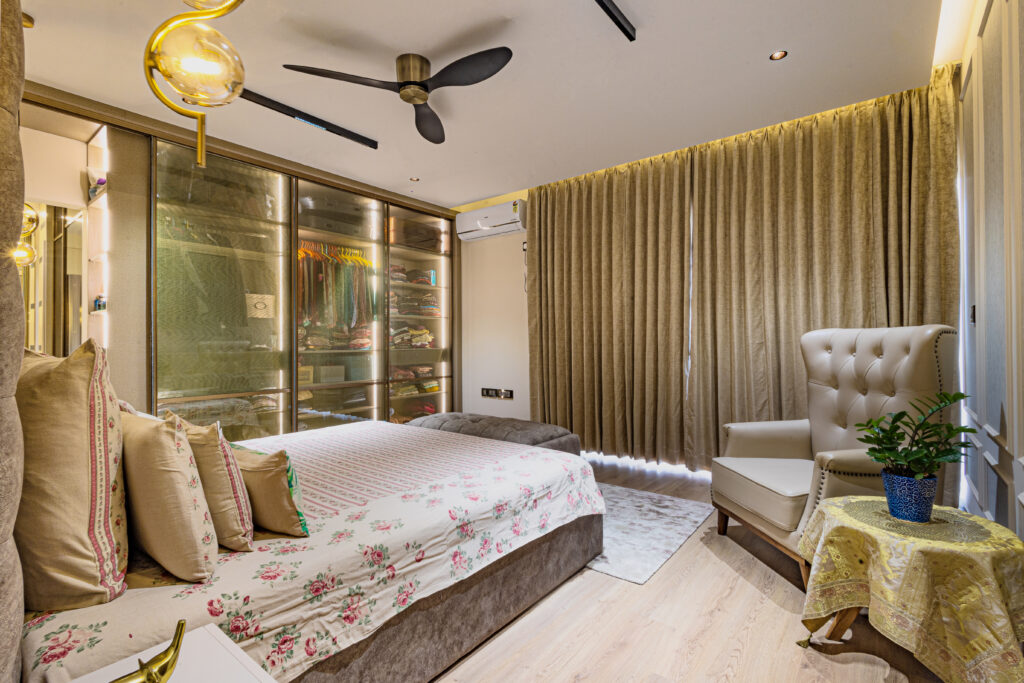
Introduction: The Rise of Warm Minimalism A quiet revolution has unfolded in interior design. Minimalism, once synonymous with starkness and restraint, is now finding its softer side. Warm minimalism blends simplicity with human warmth, inviting inhabitants into spaces that are uncluttered yet deeply comforting. Defining Warm Minimalism in Modern Interiors At its core, warm minimalism balances function and feeling. It retains the essence of minimalism—clarity, order, and restraint—yet introduces warmth through textures, hues, and fluid shapes. This aesthetic moves beyond sterile uniformity to create rooms that soothe, nurture, and breathe. Why Organic Shapes Create Emotional Comfort Straight lines impose order, but curves invite ease. Organic shapes mimic forms found in nature, echoing rivers, stones, and gentle landscapes. These biomorphic contours foster emotional calm, creating interiors that feel less rigid and more in tune with the body’s natural rhythm. The Shift from Stark Minimalism to Inviting Spaces Cold minimalism once relied on monochrome palettes, sharp angles, and industrial austerity. The shift toward cozy simplicity reflects changing lifestyles—where homes are sanctuaries rather than galleries. People crave interiors that allow them to exhale, spaces that look curated yet feel lived in. Color Palettes: Neutrals Infused with Warmth Earthy tones and muted hues such as ochre, clay, taupe, and sand dominate warm minimalism. These palettes ground interiors, evoking soil, stone, and sky.Subtle contrasts that soften—a hint of caramel against cream, or deep olive beside beige—prevent monotony and lend depth to simple schemes. Furniture Forms: Embracing Curves and Flow Rounded seating and tables introduce comfort without clutter. Sofas with softly sloped arms or circular coffee tables add a sense of continuity.Sculptural silhouettes transform furniture into art. Chairs with pebble-like forms or organically carved headboards embody functional elegance while harmonizing with the ethos of simplicity. Textures that Humanize Minimalism Natural fabrics and tactile finishes like linen, wool, and untreated wood anchor spaces in authenticity. They invite touch, reminding us that beauty is not only visual but also sensory.Imperfect materials with character—handmade ceramics, raw stone, or weathered finishes—add individuality and soul to otherwise pared-back environments. Lighting as a Softening Element Warm-toned illumination changes everything. Ambient glows from layered lighting schemes nurture intimacy and calm.Organic-shaped lamps and fixtures echo the softness of curves, whether through pendant globes, sculpted clay bases, or diffused paper lanterns that scatter light gently. Decor Accents that Anchor the Look Ceramics, stone, and handmade pieces act as grounding elements, bringing honesty and tactile presence.Art inspired by fluid lines reinforces the organic theme—wall hangings, abstract sketches, or sculptural objects that echo the movements of wind and water. Spatial Planning for Serenity Open layouts with subtle zoning encourage freedom of movement while maintaining coherence. Rugs, lighting, and furniture placement define zones without fragmenting space.Breathing space between objects ensures minimalism feels intentional rather than sparse, giving every element room to be appreciated. Blending Nature into Design Plants as sculptural companions blur boundaries between indoors and outdoors. From trailing greenery to single statement leaves, foliage doubles as living decor.Natural wood and stone surfaces—whether a polished oak floor or a honed limestone countertop—bring elemental grounding into modern interiors. The Psychological Benefits of Cozy Simplicity Warm minimalism does more than please the eye. It calms overstimulated minds, encourages mindfulness, and reduces visual noise. By surrounding ourselves with organic shapes and muted tones, we create environments that promote rest, clarity, and belonging. Practical Tips to Introduce Warm Minimalism at Home Start with a neutral foundation, then layer textures for depth. Choose furniture with softened edges, and resist overfilling rooms. Replace harsh lighting with warm, diffused alternatives. Incorporate natural materials wherever possible, and let empty space be part of the design narrative. Conclusion: The Future of Minimalist Comfort Warm minimalism is not a fleeting aesthetic; it reflects a deeper cultural yearning for balance. In a fast-paced world, interiors that combine simplicity with warmth are timeless. Organic shapes, tactile surfaces, and gentle palettes transform spaces into sanctuaries—calm, inviting, and profoundly human.

modular wardrobe Bangalore
Interior designing

Hot Trends of Interior Designing 2025

Introduction: Redefining Spaces in 2025 Interior design in 2025 is no longer just about aesthetics—it is about merging innovation, sustainability, and lifestyle needs into cohesive environments. Homes and commercial spaces are evolving into multifunctional sanctuaries, blending cutting-edge technology with natural elements and mindful living. This year marks a profound shift toward interiors that tell stories, support well-being, and adapt seamlessly to the rhythm of modern life. The Rise of Tech-Integrated Homes Smart Furniture with Built-In Charging and Storage Gone are the days when furniture was purely functional. In 2025, sofas with wireless charging docks, coffee tables with hidden cooling drawers, and beds with integrated storage systems are redefining convenience. These innovations transform furniture into lifestyle companions, ensuring efficiency without sacrificing elegance. Voice-Controlled Lighting and Climate Systems Intelligent voice assistants are now embedded in design itself. Homeowners can adjust lighting intensity, change color temperatures, or regulate climate with a single command. This seamless integration of smart ecosystems creates interiors that are both intuitive and futuristic. Augmented Reality for Interior Planning AR is revolutionizing how spaces are envisioned. Clients can now virtually “walk” through redesigned spaces before execution, testing layouts, textures, and colors in real time. This minimizes uncertainty, accelerates decision-making, and makes customization effortless. Sustainable and Eco-Friendly Design Practices Recycled and Upcycled Materials for Modern Homes Sustainability has transcended trend status—it is a necessity. Designers are championing the use of reclaimed wood, recycled glass, and upcycled textiles. These elements breathe character into interiors while reducing environmental impact. Energy-Efficient Fixtures and Appliances Energy-conscious living is central to modern design. LED lighting, water-saving faucets, and solar-integrated appliances not only cut utility costs but also align with a global push toward carbon neutrality. Biophilic Design and the Return to Nature Indoor Gardens and Vertical Green Walls Greenery continues to dominate interiors. Vertical gardens and hydroponic systems blur the boundaries between indoor and outdoor living. They purify the air, enhance mental well-being, and introduce organic vibrancy into urban spaces. Natural Stone, Bamboo, and Clay Accents Authentic, tactile materials are replacing synthetic finishes. Bamboo cabinetry, clay wall finishes, and stone countertops are celebrated for their raw textures and timeless appeal. Each element brings a grounding presence to interiors. Open-Concept Living with Functional Zones Flexible Partition Systems for Privacy Open spaces are redefined with adaptive partitions. Sliding screens, foldable panels, and modular dividers provide privacy without permanently closing off spaces. Homes thus balance openness with personal comfort. Convertible Furniture for Multi-Purpose Spaces As urban spaces shrink, convertible furniture becomes essential. Dining tables that transform into work desks, sofas that convert into guest beds, and modular shelving that adjusts as needed define practicality in 2025. Minimalism Evolved: “Soft Minimalism” Muted Tones with Warm Textures Minimalism now wears a softer face. Instead of cold whites, interiors embrace beige, taupe, and dusty hues layered with fabrics like linen and boucle. The result is minimal yet inviting. Decluttered Designs with Personality Soft minimalism prioritizes intentional design. Rooms are decluttered but not sterile, accented with meaningful art, statement lighting, or handcrafted décor pieces that add individuality. The Comeback of Bold Statements Maximalist Patterns and Playful Color Blocking While minimalism thrives, maximalism stages a parallel comeback. Vibrant wallpapers, geometric patterns, and bold color-blocking infuse spaces with drama and energy. Oversized Lighting Fixtures as Art Pieces Lighting is no longer just functional—it is sculptural. Oversized chandeliers, abstract pendant lamps, and organic-shaped fixtures become striking focal points, illuminating interiors while doubling as art installations. Cultural Fusions in Interior Styling Traditional Indian Handicrafts in Modern Layouts Heritage craftsmanship finds its place in contemporary interiors. Handwoven rugs, brass artifacts, and carved wooden panels sit harmoniously alongside sleek, modern layouts, preserving culture while embracing modernity. Global Influences Blending with Local Elements Homes reflect a melting pot of cultures. Scandinavian simplicity pairs with Japanese Zen, Moroccan tiles find space in minimal kitchens, and Mediterranean arches frame modern living rooms. Wellness-Centric Interiors Air-Purifying Plants and Natural Ventilation Design is being reoriented toward health. Interiors now incorporate indoor plants that actively purify air, complemented by large windows and cross-ventilation systems that promote natural airflow. Spa-Inspired Bathrooms and Calming Bedrooms Bathrooms resemble wellness retreats with rain showers, natural stone finishes, and aromatherapy systems. Bedrooms are softened with mood lighting, acoustic treatments, and serene palettes that induce rest. Luxury with a Purpose Sustainable Luxury Materials like Reclaimed Wood Luxury is no longer about excess—it is about conscious indulgence. Reclaimed wood flooring, recycled stone, and ethically sourced fabrics provide richness without guilt. Minimalist Yet Opulent Kitchens Kitchens in 2025 strike a balance between sleek design and functional grandeur. Waterfall marble islands, concealed appliances, and subtle metallic accents create understated sophistication. Tech-Savvy Work-From-Home Spaces Ergonomic Furniture for Health-Conscious Design As remote work continues, ergonomic chairs, sit-stand desks, and posture-friendly setups dominate home offices. These designs merge style with health benefits. Soundproofing and Smart Storage in Home Offices Noise reduction panels and hidden storage solutions make work-from-home spaces practical yet visually appealing. Productivity meets tranquility in well-curated environments. Color Palettes Defining 2025 Earthy Neutrals with Pops of Jewel Tones Interiors are drenched in earthy bases—sand, clay, and ochre—brought alive with emerald green, sapphire blue, and ruby red accents. The result is grounded vibrancy. Peach Fuzz and Digital Lavender as Highlight Shades Trend colors like Peach Fuzz and Digital Lavender dominate accent walls, textiles, and statement décor. These shades embody optimism, creativity, and calm. Textures and Materials Taking Over Tactile Walls with 3D Panels and Plaster Finishes Walls are no longer flat backdrops. Designers employ 3D plaster panels, textured wallpapers, and limewash finishes that invite touch and create dimension. Mixed Metals: Brass, Copper, and Matte Black Metal finishes are layered together for eclectic sophistication. Brass handles, copper lighting, and matte black fixtures coexist, offering visual depth and a curated aesthetic. Lighting Trends for the Future Smart LED Systems with Mood Customization LED systems now allow color tuning, circadian lighting, and personalized settings via mobile apps. Lighting adapts to moods, seasons, and activities with ease. Statement Chandeliers with Organic Shapes Organic-inspired lighting fixtures mimic flowing water, tree

Interior designing

How to Choose a Modular Kitchen in 2025

The kitchen has evolved into more than a space for cooking; it has become the nucleus of modern living. In 2025, homeowners are no longer settling for generic layouts but are seeking intelligent, aesthetic, and practical solutions. A modular kitchen represents this fusion of functionality and artistry, making it the first choice for urban households. Selecting the right one requires careful thought, a balance between utility and design, and an understanding of emerging trends. Evaluate Space and Functionality Every home has its own rhythm. The first step is to evaluate how the kitchen space is used daily. Compact apartments often benefit from sleek layouts that maximize storage without crowding. Larger homes may allow expansive counters, islands, or breakfast zones. A well-planned interior kitchen design will ensure that every inch serves a purpose. Look for ergonomics that minimize unnecessary movement—placement of the sink, stove, and refrigerator in a seamless triangle is still a golden rule in modular kitchen designs. Embrace Technology Integration In 2025, the kitchen is as much about technology as it is about taste. Smart appliances, motion-sensor faucets, integrated lighting, and AI-enabled refrigerators are no longer luxuries but essentials. A thoughtfully designed modular interior can conceal wiring and appliances while maintaining an uncluttered look. When selecting cabinetry, consider panels that support easy integration of these futuristic elements. Material and Finish Choices Durability remains paramount. Laminates and acrylics are popular for their resilience and sheen, while quartz and granite continue to dominate countertops for their strength. Sustainable materials are rising in preference as environmentally aware households seek greener alternatives. The finish you select defines the character of your interior design—matte finishes bring understated elegance, while high-gloss surfaces create a contemporary flair. Style with Practicality Choosing a style is not merely about looks; it’s about how it complements daily life. Minimalist layouts with clean lines work well for busy professionals who prefer easy maintenance. For those who host often, open-plan kitchens with islands encourage interaction. Customized storage units such as pull-out baskets, carousel units, and vertical trays add efficiency without compromising aesthetics. The Role of Designers Professional guidance elevates a project. Experienced Tili, an interior design company in Jayanagar, is adept at interpreting personal taste while balancing technical requirements. They can translate abstract ideas into tangible plans, ensuring that the modular kitchen aligns with the home’s architectural flow. Their expertise also prevents costly errors and guarantees a finish that stands the test of time. Looking Ahead The future of the kitchen lies in adaptability. Homes are dynamic, and so should be the design. A flexible modular kitchen allows parts to be upgraded or reconfigured without overhauling the entire space. With innovation and design thinking at the forefront, kitchens in 2025 are not just places to cook—they are personalized spaces that reflect lifestyle, culture, and aspirations. A carefully chosen design is more than a purchase—it is an investment in daily comfort, functionality, and timeless beauty.

Interiors designers in Jayanagar
Interior designing

Modular Kitchens by Tili – Beyond Living

Introduction At Tili Interiors, with over 13 years of expertise in designing and manufacturing kitchens, wardrobes, vanities, and complete home interiors, we believe the kitchen is the heart of every home.Modern families are moving beyond traditional, fixed kitchen setups and embracing modular kitchens—a design solution that combines functionality, flexibility, and aesthetics. Unlike conventional kitchens where counters and cabinets are fixed, modular kitchens are built with independent “modules.” These modules can be customized, replaced, or restructured to fit evolving lifestyles, making them the perfect choice for today’s homes. Why Choose a Modular Kitchen by Tili? The cost depends on size, layout, and material selection. At Tili, we provide a wide range – from functional kitchens starting at ₹1,00,000 to luxury modular kitchens with Italian marble and premium hardware that can go up to ₹8,00,000.Cost by Layout (Approx.):• Straight-line: ₹1,00,000 – ₹2,00,000• L-shaped: ₹2,00,000 – ₹3,00,000• Parallel: ₹3,00,000 – ₹4,00,000• U-shaped: ₹4,00,000 – ₹5,00,000+ Premium Materials We Manufacture & Recommend• Cabinets – Marine plywood, engineered wood, or solid wood options.• Countertops – Quartz for durability, Italian marble for luxury.• Finishes – Acrylic, PU, laminates, or veneer – all manufactured and finished with precision. The Best Modular Kitchen Layouts• Straight-Line Kitchens – Ideal for compact homes.• L-Shaped Kitchens – Great for efficiency and movement.• Parallel Kitchens – Perfect for multitasking and dual cook setups.• U-Shaped Kitchens – Spacious and luxurious. Why Tili?For over a decade, Tili has been more than just a design studio. With in-house manufacturing, premium quality materials, and experienced designers, we transform kitchens into lifestyle spaces.✨ Tili – Beyond Living ✨📍 Visit our Experience Center: Jayanagar, 4th T Block, Bengaluru📞 ‪+91 93531 04447‬ | ‪+91 93531 04446‬📺 Explore our projects: Tili Kitchens YouTube

Interior design company Bangalore
Interior designing

The Art of Interior Designing: More Than Just a Pretty Space

When people hear “interior design,” they often think of beautiful sofas, elegant wallpapers, and trendy color palettes. While aesthetics are a major part of it, interior design is so much more—it’s about creating spaces that reflect personality, enhance comfort, and improve functionality. Why Interior Design Matters Your space—whether it’s a home, office, or studio—affects your mood, productivity, and overall well-being. A well-designed interior isn’t just visually appealing; it also makes everyday living easier. It blends form and function, ensuring that beauty never compromises usability. Key Elements of Interior Design Space PlanningGreat design starts with a solid layout. It’s all about making the most of every square foot—arranging furniture, determining traffic flow, and ensuring the space serves your lifestyle. Color and LightColor can transform a space, set the mood, and create visual harmony. Coupled with natural and artificial lighting, it becomes a powerful tool to enhance the ambiance. Textures and MaterialsThe right combination of fabrics, finishes, and surfaces can add depth and character. Think of the coziness of a plush rug or the elegance of a marble countertop. Furniture and DecorCarefully selected furniture pieces and curated decor can turn a plain room into a personalized sanctuary. The goal is to blend beauty with comfort. FunctionalityDesign isn’t just about how things look—it’s about how they work. Whether it’s smart storage solutions or multipurpose furniture, functionality ensures the space supports your everyday needs. Space PlanningGreat design starts with a solid layout. It’s all about making the most of every square foot—arranging furniture, determining traffic flow, and ensuring the space serves your lifestyle. Color and LightColor can transform a space, set the mood, and create visual harmony. Coupled with natural and artificial lighting, it becomes a powerful tool to enhance the ambiance. Textures and MaterialsThe right combination of fabrics, finishes, and surfaces can add depth and character. Think of the coziness of a plush rug or the elegance of a marble countertop. Final Thoughts Interior design isn’t a luxury—it’s a thoughtful investment in how you live and feel every day. Whether you’re revamping a single room or designing an entire home, the right design can elevate your space and transform your life.

Scroll to Top