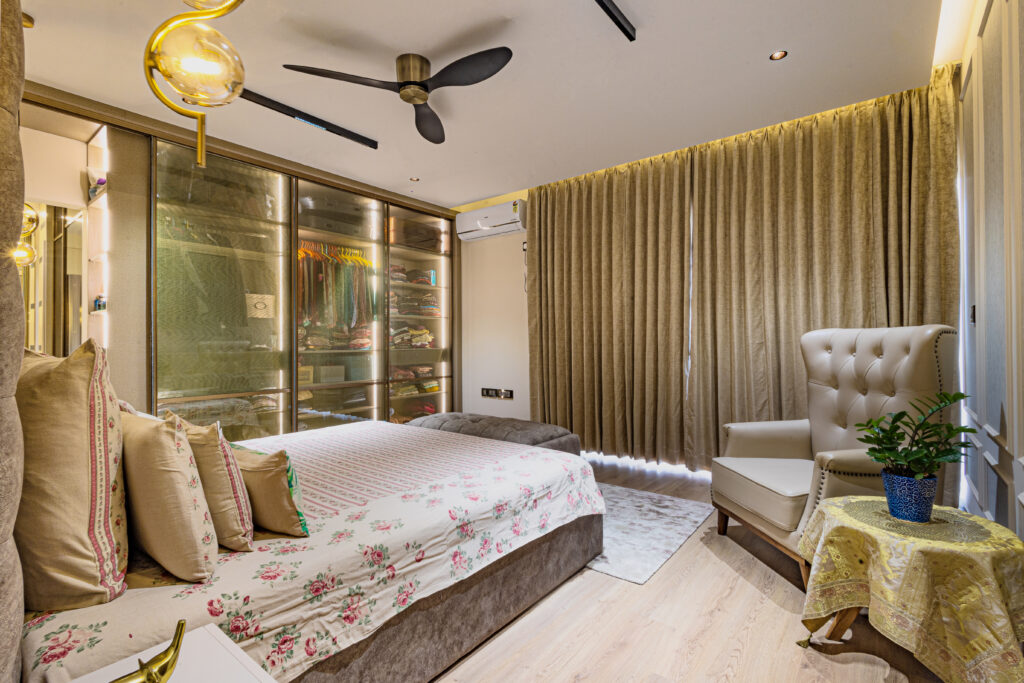

Integrated Smart Features, AI-Driven Personalization in Interior Design
Introduction Interior design has always mirrored cultural shifts, economic progress, and human aspirations. In today’s digital age, it is no longer confined to aesthetics and functionality alone. Technology and personalization are reshaping the very foundations of living spaces, creating interiors that are intelligent, responsive, and deeply attuned to individual needs. The modern home is becoming a living organism—one that adapts, learns, and evolves with its inhabitants. This transformation is driven by the seamless integration of smart features and the precision of artificial intelligence. Together, they are redefining how people experience their environments, moving design from static beauty to dynamic interaction. Understanding Smart Interiors What makes an interior “smart”? A smart interior is not merely filled with gadgets or automated systems. It is a harmonized ecosystem where design and technology converge. Walls, furniture, and fixtures are imbued with connectivity, enabling spaces to anticipate and respond to human presence. From automation to intelligence: the journey of design integration Earlier innovations relied on simple automation—timed lights or programmable thermostats. Now, intelligence has taken the lead. Spaces interpret patterns, adjust settings without prompts, and evolve in sync with changing lifestyles. This leap transforms interiors from passive structures into intuitive companions. The Role of Artificial Intelligence in Modern Design How AI is transforming design decision-making Artificial intelligence processes vast datasets of design layouts, human behavior, and aesthetic trends to inform decision-making. Designers can simulate numerous configurations in seconds, reducing trial and error while amplifying creativity. AI’s impact on personalization and user experience Beyond efficiency, AI sharpens personalization. It curates environments that resonate with emotions—lighting that matches mood, layouts that echo daily rhythms, and décor that reflects subconscious preferences. The result is a living space uniquely attuned to its dweller.me Ecosystems as the New Design Foundation Connected living through IoT devices Smart interiors thrive on interconnectedness. From refrigerators that track groceries to mirrors displaying health stats, the Internet of Things creates a synchronized lifestyle. These devices no longer operate in isolation but communicate seamlessly for a unified experience. Seamless integration of lighting, climate, and appliances Modern interiors now feature systems that converse with one another. Lighting adapts to thermostat adjustments, blinds react to sunlight intensity, and appliances optimize energy consumption without manual control. Integration ensures comfort without disruption. -Enhanced Space Planning Algorithms that optimize floor layouts Space planning once depended on intuition and manual sketches. Now, algorithms calculate spatial efficiency, maximizing circulation, accessibility, and usability. AI detects underutilized areas and reimagines them for greater purpose. Customizing furniture placement for functionality and flow AI not only arranges furniture but tailors it to inhabitants’ routines. From positioning a desk for natural light to aligning a sofa for acoustics, placement becomes intentional and fluid. This reduces clutter while enhancing daily life. Personalization through Data and Behavior How AI learns from user habits and preferences Homes quietly observe and adapt. Data from movement patterns, appliance usage, and even sleep cycles allows AI to craft tailored environments. Over time, interiors become predictive rather than reactive. Predictive design: creating interiors that adapt to lifestyle patterns Imagine a living room where lighting shifts automatically for reading at dusk, or a study that adjusts air quality during long work hours. Predictive design anticipates needs, turning interiors into intuitive allies. Smart Lighting as a Mood Setter Circadian lighting systems for health and productivity Lighting aligned with natural circadian rhythms regulates sleep and focus. AI-controlled systems mimic daylight progression, boosting energy during mornings and calming the body by night. Dynamic ambiance creation with AI-driven controls Beyond health, smart lighting crafts atmosphere. Whether hosting a dinner or meditating, AI adjusts tones and intensities, setting moods with subtle precision. Climate and Energy Management in Interiors Smart HVAC systems and energy efficiency Heating, ventilation, and cooling are now intelligent, balancing comfort with conservation. AI evaluates occupancy, weather, and energy tariffs to optimize consumption. AI’s role in reducing carbon footprints inside homes By regulating energy with foresight, AI minimizes environmental strain. Smart interiors not only save costs but also foster sustainable lifestyles. Voice and Gesture-Controlled Environments The rise of touchless interactions Hands-free control has become integral in modern interiors. Voice assistants and gesture recognition allow seamless adjustments without physical switches. Integrating design with natural user commands Spaces now listen and respond to natural language, integrating commands invisibly into design. Walls, furniture, and fixtures quietly execute requests, reinforcing fluid living. AI in Color and Material Selection Machine learning for predicting trending palettes AI tracks global design trends, cultural shifts, and consumer sentiment to forecast colors that resonate. Designers harness this foresight to stay ahead of style curves. Personalized color schemes tailored to individual psychology Beyond trends, AI creates palettes aligned with emotional well-being. A calming blue bedroom, a stimulating red study—choices arise from psychological profiling, not guesswork. Furniture Customization with AI Generative design for bespoke furniture pieces Generative algorithms craft furniture unique to each home, balancing ergonomics, style, and spatial constraints. The result: bespoke pieces born of data and artistry. Virtual prototyping before manufacturing AI enables lifelike previews of designs before production, ensuring precision and minimizing waste. Clients experience their furniture virtually before it materializes. Smart Kitchens as Design Showpieces AI-powered appliances for convenience and sustainability Refrigerators suggest meals based on ingredients, ovens adjust cooking times automatically, and dishwashers optimize water usage. Kitchens transform into hubs of intelligence. Personalized kitchen layouts for diverse lifestyles From compact apartments to gourmet homes, AI tailors layouts to suit cooking habits. Every inch of the kitchen works harder, smarter, and more intuitively. Wellness-Centric Smart Features AI-driven sleep optimization in bedroom design Smart beds monitor sleep patterns, adjusting firmness or temperature to enhance rest. Lighting dims gradually, coaxing natural sleep cycles. Stress-reducing interiors with integrated smart technology Soundscapes, aromatherapy systems, and responsive lighting cultivate calm. Interiors transform into sanctuaries for both body and mind. Security and Privacy in Smart Interiors Designing spaces with embedded surveillance and safety Invisible sensors, discreet cameras, and AI-driven alerts ensure security without compromising aesthetics. Safety is woven into the fabric of design. Balancing aesthetics with invisible security systems Technology hides