
Introduction: Redefining Spaces in 2025
Interior design in 2025 is no longer just about aesthetics—it is about merging innovation, sustainability, and lifestyle needs into cohesive environments. Homes and commercial spaces are evolving into multifunctional sanctuaries, blending cutting-edge technology with natural elements and mindful living. This year marks a profound shift toward interiors that tell stories, support well-being, and adapt seamlessly to the rhythm of modern life.
The Rise of Tech-Integrated Homes
Smart Furniture with Built-In Charging and Storage
Gone are the days when furniture was purely functional. In 2025, sofas with wireless charging docks, coffee tables with hidden cooling drawers, and beds with integrated storage systems are redefining convenience. These innovations transform furniture into lifestyle companions, ensuring efficiency without sacrificing elegance.
Voice-Controlled Lighting and Climate Systems
Intelligent voice assistants are now embedded in design itself. Homeowners can adjust lighting intensity, change color temperatures, or regulate climate with a single command. This seamless integration of smart ecosystems creates interiors that are both intuitive and futuristic.
Augmented Reality for Interior Planning
AR is revolutionizing how spaces are envisioned. Clients can now virtually “walk” through redesigned spaces before execution, testing layouts, textures, and colors in real time. This minimizes uncertainty, accelerates decision-making, and makes customization effortless.
Sustainable and Eco-Friendly Design Practices
Recycled and Upcycled Materials for Modern Homes
Sustainability has transcended trend status—it is a necessity. Designers are championing the use of reclaimed wood, recycled glass, and upcycled textiles. These elements breathe character into interiors while reducing environmental impact.
Energy-Efficient Fixtures and Appliances
Energy-conscious living is central to modern design. LED lighting, water-saving faucets, and solar-integrated appliances not only cut utility costs but also align with a global push toward carbon neutrality.
Biophilic Design and the Return to Nature
Indoor Gardens and Vertical Green Walls
Greenery continues to dominate interiors. Vertical gardens and hydroponic systems blur the boundaries between indoor and outdoor living. They purify the air, enhance mental well-being, and introduce organic vibrancy into urban spaces.
Natural Stone, Bamboo, and Clay Accents
Authentic, tactile materials are replacing synthetic finishes. Bamboo cabinetry, clay wall finishes, and stone countertops are celebrated for their raw textures and timeless appeal. Each element brings a grounding presence to interiors.
Open-Concept Living with Functional Zones
Flexible Partition Systems for Privacy
Open spaces are redefined with adaptive partitions. Sliding screens, foldable panels, and modular dividers provide privacy without permanently closing off spaces. Homes thus balance openness with personal comfort.
Convertible Furniture for Multi-Purpose Spaces
As urban spaces shrink, convertible furniture becomes essential. Dining tables that transform into work desks, sofas that convert into guest beds, and modular shelving that adjusts as needed define practicality in 2025.
Minimalism Evolved: “Soft Minimalism”
Muted Tones with Warm Textures
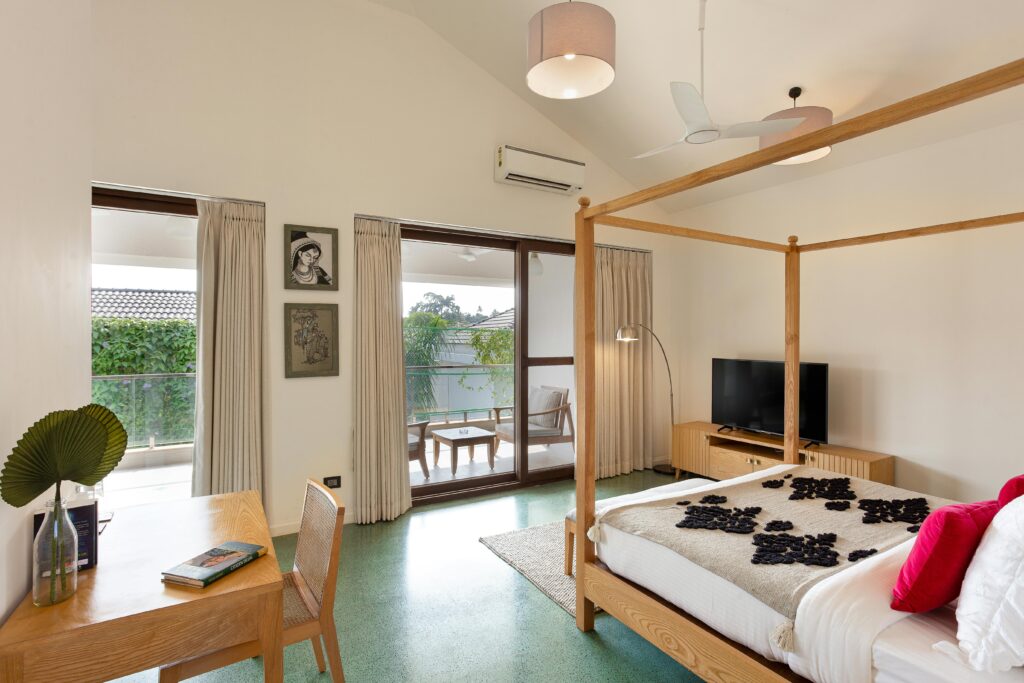
Minimalism now wears a softer face. Instead of cold whites, interiors embrace beige, taupe, and dusty hues layered with fabrics like linen and boucle. The result is minimal yet inviting.
Decluttered Designs with Personality
Soft minimalism prioritizes intentional design. Rooms are decluttered but not sterile, accented with meaningful art, statement lighting, or handcrafted décor pieces that add individuality.
The Comeback of Bold Statements
Maximalist Patterns and Playful Color Blocking
While minimalism thrives, maximalism stages a parallel comeback. Vibrant wallpapers, geometric patterns, and bold color-blocking infuse spaces with drama and energy.
Oversized Lighting Fixtures as Art Pieces
Lighting is no longer just functional—it is sculptural. Oversized chandeliers, abstract pendant lamps, and organic-shaped fixtures become striking focal points, illuminating interiors while doubling as art installations.
Cultural Fusions in Interior Styling
Traditional Indian Handicrafts in Modern Layouts
Heritage craftsmanship finds its place in contemporary interiors. Handwoven rugs, brass artifacts, and carved wooden panels sit harmoniously alongside sleek, modern layouts, preserving culture while embracing modernity.
Global Influences Blending with Local Elements
Homes reflect a melting pot of cultures. Scandinavian simplicity pairs with Japanese Zen, Moroccan tiles find space in minimal kitchens, and Mediterranean arches frame modern living rooms.
Wellness-Centric Interiors
Air-Purifying Plants and Natural Ventilation
Design is being reoriented toward health. Interiors now incorporate indoor plants that actively purify air, complemented by large windows and cross-ventilation systems that promote natural airflow.
Spa-Inspired Bathrooms and Calming Bedrooms
Bathrooms resemble wellness retreats with rain showers, natural stone finishes, and aromatherapy systems. Bedrooms are softened with mood lighting, acoustic treatments, and serene palettes that induce rest.
Luxury with a Purpose
Sustainable Luxury Materials like Reclaimed Wood
Luxury is no longer about excess—it is about conscious indulgence. Reclaimed wood flooring, recycled stone, and ethically sourced fabrics provide richness without guilt.
Minimalist Yet Opulent Kitchens
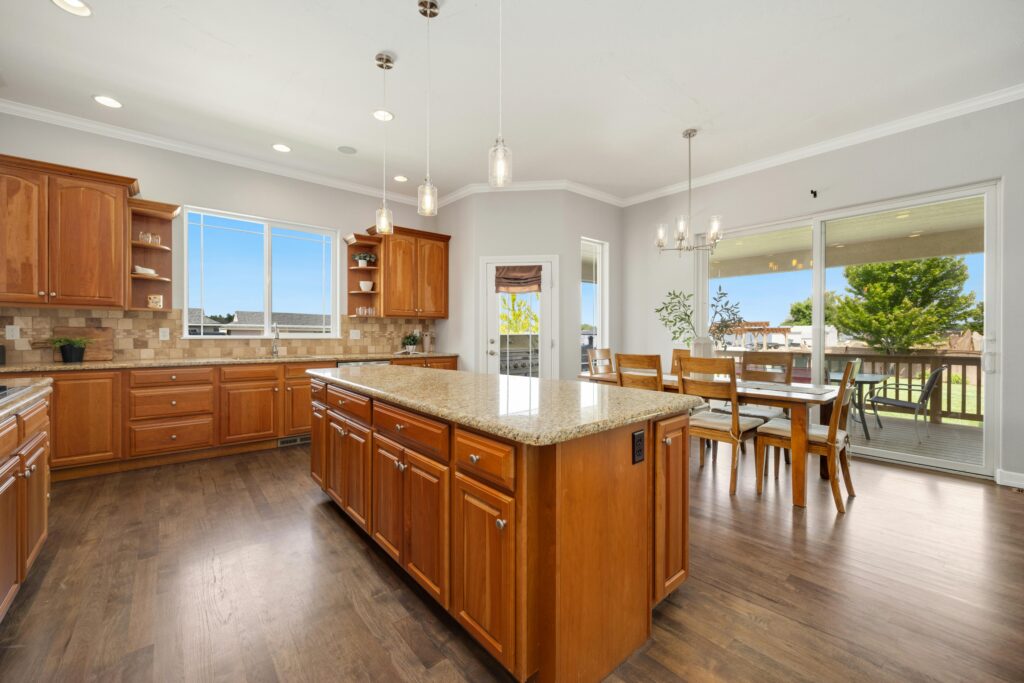
Kitchens in 2025 strike a balance between sleek design and functional grandeur. Waterfall marble islands, concealed appliances, and subtle metallic accents create understated sophistication.
Tech-Savvy Work-From-Home Spaces
Ergonomic Furniture for Health-Conscious Design
As remote work continues, ergonomic chairs, sit-stand desks, and posture-friendly setups dominate home offices. These designs merge style with health benefits.
Soundproofing and Smart Storage in Home Offices
Noise reduction panels and hidden storage solutions make work-from-home spaces practical yet visually appealing. Productivity meets tranquility in well-curated environments.
Color Palettes Defining 2025
Earthy Neutrals with Pops of Jewel Tones
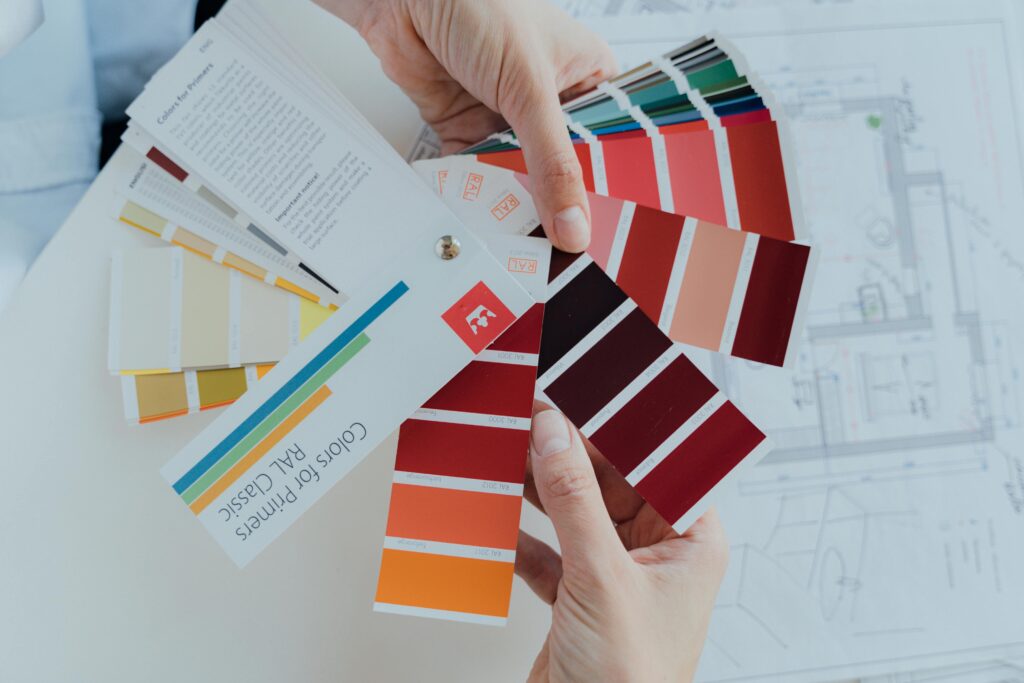
Interiors are drenched in earthy bases—sand, clay, and ochre—brought alive with emerald green, sapphire blue, and ruby red accents. The result is grounded vibrancy.
Peach Fuzz and Digital Lavender as Highlight Shades
Trend colors like Peach Fuzz and Digital Lavender dominate accent walls, textiles, and statement décor. These shades embody optimism, creativity, and calm.
Textures and Materials Taking Over
Tactile Walls with 3D Panels and Plaster Finishes
Walls are no longer flat backdrops. Designers employ 3D plaster panels, textured wallpapers, and limewash finishes that invite touch and create dimension.
Mixed Metals: Brass, Copper, and Matte Black
Metal finishes are layered together for eclectic sophistication. Brass handles, copper lighting, and matte black fixtures coexist, offering visual depth and a curated aesthetic.
Lighting Trends for the Future
Smart LED Systems with Mood Customization
LED systems now allow color tuning, circadian lighting, and personalized settings via mobile apps. Lighting adapts to moods, seasons, and activities with ease.
Statement Chandeliers with Organic Shapes
Organic-inspired lighting fixtures mimic flowing water, tree branches, and natural forms. These designs create harmony between artificial light and organic aesthetics.
Commercial Spaces Embracing Home-Like Comfort
Café-Style Workstations and Relaxed Lounges
Workplaces are shedding rigidity. Café-style seating, cozy lounges, and casual collaboration areas make offices feel warm, creative, and inviting.
Retail Interiors with Interactive Displays
Shops are becoming experiences. Augmented reality mirrors, interactive displays, and immersive lighting transform shopping into storytelling.
Outdoor Living as the New Luxury
Rooftop Decks and Balcony Gardens
With urban living constraints, rooftops and balconies are designed as personal oases. Decks with lounge seating and potted greenery expand usable living space.
Outdoor Kitchens and Entertainment Corners
From pizza ovens to BBQ islands, outdoor kitchens turn terraces into entertaining hubs. Fire pits and modular seating further elevate outdoor living.
The Future of Interior Design Education and Careers
AI-Driven Design Tools for Young Professionals
AI platforms now assist designers in drafting, rendering, and even suggesting layouts. Young professionals harness these tools to deliver faster and more creative results.
Specializations in Sustainable and Tech-First Design
Educational programs emphasize green architecture, circular design practices, and tech-based interiors. The future belongs to designers fluent in both tradition and technology.
Conclusion: The Evolving Language of Interiors in 2025
The interiors of 2025 symbolize balance—between nature and innovation, minimalism and maximalism, and tradition and globalism. Spaces are no longer static; they evolve with the lifestyle, values, and aspirations of the people who inhabit them. Interior design has become a dialogue between functionality and artistry, shaping homes and workplaces that reflect the future while honoring the past.
